

11 Real Estate Video Marketing Ideas

A listing gets a few seconds to earn the next click. If the photos are solid but the property still feels flat online, video is usually the missing piece. The best real estate video marketing ideas do more than show rooms - they create movement, context, and emotional pull that help buyers, renters, and guests picture themselves in the space.
For agents, hosts, and commercial property marketers, that matters because attention is expensive. A stronger video strategy can increase listing engagement, support higher perceived value, and give your marketing a more polished edge from the first impression forward. The key is choosing the right video for the property, the platform, and the buyer journey.
Real estate video marketing ideas that actually move the needle
Not every property needs a dramatic cinematic production. A luxury listing, a short-term rental, and a newly finished commercial project all benefit from video, but not in exactly the same way. The strongest strategy is usually a mix of formats built around a specific goal.
1. Cinematic listing tours
This is the format most people think of first, and for good reason. A polished listing tour gives the property shape and pacing. It helps viewers understand flow between rooms, scale within open-concept spaces, and the overall feel of the home in a way still images cannot fully carry.
For higher-end listings, cinematic video often earns its keep by supporting stronger presentation and seller confidence. It can also help agents win more listings because it signals a higher level of marketing commitment. The trade-off is cost and production time, so it makes the most sense when the property price point, design quality, or competition justifies the investment.
2. Short vertical teaser videos
A full listing video is useful, but shorter edits often perform better on social platforms. Vertical teaser videos built for Instagram Reels, TikTok, YouTube Shorts, and paid social ads can spotlight the best moments in 15 to 30 seconds.
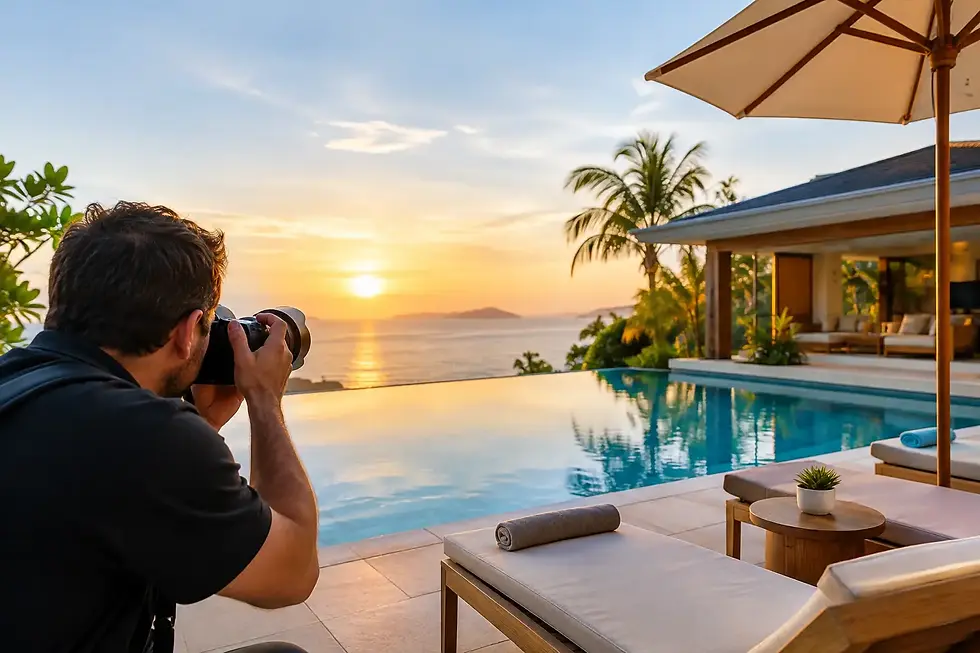
This format works especially well when the goal is to stop the scroll and drive traffic to the full listing. Think grand entry sequence, kitchen reveal, pool shot at sunset, or a quick sequence that moves from curb appeal to the primary suite to outdoor living. Short does not mean casual. Tight editing and strong opening frames matter here.
3. Twilight video clips
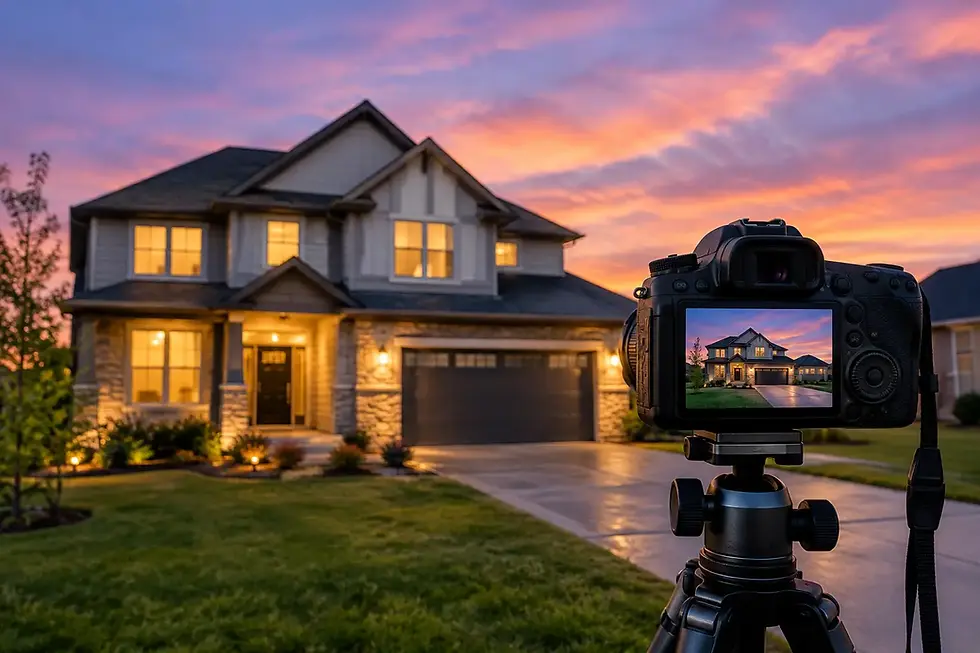
Twilight photography gets attention because it adds warmth, atmosphere, and a premium feel. Twilight video does the same thing, with the added advantage of motion. Pool lighting, landscape lighting, fire features, and city views all feel more alive after sunset.
This is not right for every home. If the exterior has limited lighting or the surroundings are less compelling at dusk, the return may be modest. But for luxury homes, resort-style backyards, and short-term rentals competing on experience, twilight clips can be some of the most persuasive footage in the entire marketing package.
4. Drone-led property overviews
Some properties need context as much as detail. Aerial video is one of the most practical real estate video marketing ideas when location is a selling point. It shows lot size, surrounding views, proximity to amenities, access roads, and neighborhood appeal in seconds.
In Phoenix and surrounding markets, this can be especially valuable for homes with mountain views, golf course positioning, desert landscape, or larger parcels. For commercial properties, drone footage helps establish scale and visibility. The caution is simple: drone should support the story, not replace it. A video that is all aerial footage can feel detached if buyers never get grounded in the actual space.
Matching the video to the property type
Video works best when it reflects how the property will be bought, booked, or leased.
5. Lifestyle-driven videos for short-term rentals
A short-term rental is not just selling square footage. It is selling a stay. That means the strongest video often feels less like a tour and more like a preview of the guest experience. Show the coffee station in the morning light, the patio setup, the pool, the game room, or the walkability to nearby attractions.
For Airbnb and VRBO hosts, this style can help justify nightly rate and improve booking appeal, especially in crowded markets. The mistake to avoid is overscripting it. Guests still need a clear sense of layout and amenities. Style matters, but clarity closes the gap between interest and booking.
6. Community and neighborhood videos
Sometimes the home is only half the pitch. If the nearby schools, dining, trails, retail, or commute access are major selling points, a neighborhood-focused video can strengthen the whole listing package.
This is especially effective for relocation buyers who are comparing areas as much as properties. It also works for master-planned communities and new developments where the surrounding lifestyle is a major value driver. The best versions feel informative rather than generic, with a clear link between the property and the area benefits.
7. Builder and architectural progress videos
For builders, architects, and commercial clients, video is often about credibility as much as marketing. Progress videos, design highlight reels, and finished-project walkthroughs can show craftsmanship, materials, site transformation, and project scale in a format that is easier to share with future clients and stakeholders.
This content has a longer shelf life than a standard listing tour. It can support proposals, presentations, portfolio building, and brand positioning. In that sense, the return is broader, even if it does not tie to one immediate sale.
The formats that help convert attention into action
Getting views is useful. Getting qualified inquiries is better.
8. Agent-led walkthrough videos
An on-camera agent walkthrough adds personality and trust. It gives the audience a guide, not just a camera path through the home. This can be especially effective when an agent is confident on camera and can quickly frame the property around buyer priorities.
That said, this format depends heavily on delivery. If the presentation feels stiff or overly scripted, it can weaken the production. When done well, though, it helps buyers connect with both the home and the professional representing it.
9. FAQ or objection-handling videos
Some properties need explanation. Maybe the lot layout is unusual, the home office could function as a fourth bedroom, or the commercial space has flexible use potential that buyers may not immediately recognize. A short video addressing common questions can reduce friction and improve lead quality.
This is one of the most underused ideas because it is not flashy. But practical clarity often outperforms style alone. If buyers are hesitating over the same point, video can answer it faster than a paragraph of listing copy.
10. Before-and-after and virtual staging reveals
Vacant, dated, or hard-to-visualize spaces often underperform online because buyers cannot easily see their potential. Before-and-after edits or virtual staging reveal videos can make that shift instantly understandable.
This works well for flips, remodels, investor properties, and empty rooms that need context. Realism is everything. If the staging feels exaggerated or misleading, trust drops fast. But when executed with restraint and accuracy, this kind of content can increase engagement and help viewers imagine a finished outcome.
11. Testimonial and success-story videos
Property marketing is not always about the property itself. Sometimes the strongest video asset is proof that your process delivers results. A quick client testimonial, a seller discussing strong traffic, or a host explaining increased bookings can reinforce confidence before a prospect ever reaches out.
This format is particularly useful for agents, brokerages, and property marketers trying to win new business. It shifts the conversation from what you offer to what your media helps produce.
How to choose the right video mix
The smartest approach is rarely to produce every format for every property. A mid-range resale listing may only need a strong walkthrough and a short social teaser. A luxury property may justify cinematic video, drone, and twilight edits. A short-term rental may benefit more from lifestyle footage than a traditional room-by-room tour.
Budget, timeline, property condition, and marketing channel all matter. If the home is going live fast, speed and coverage may matter more than a layered production plan. If the property is high value or highly competitive, premium video can be part of the strategy that protects price perception.
This is where a professional visual partner becomes more than a vendor. At the top end of property marketing, the question is not just whether video looks good. It is whether the content fits the asset, supports the sales goal, and gives you media that can work across MLS, social, ads, presentations, and follow-up.
Production quality still matters
There is a reason polished property video performs differently from rushed phone footage. Stability, lighting, pacing, color, framing, and editing all shape how premium the property feels on screen. Even when the content is short, the presentation affects trust.
That does not mean every video needs to be elaborate. It means it should be intentional. A clean, well-produced 20-second reel can outperform a longer, less disciplined video because it respects both the property and the audience.
For brands and agents who compete on professionalism, consistency matters too. When every listing or project is marketed with the same level of visual discipline, your business starts to look more credible before anyone reads a single review.
The most effective real estate video marketing ideas are the ones that fit the property, serve the platform, and help the viewer take the next step with confidence. If your current listings are being seen but not felt, better video is often where that changes.

Comments