

7 Twilight Real Estate Photography Benefits

The scroll stops when a property looks different from everything around it. That is the real value behind twilight real estate photography benefits - it gives a listing, rental, or commercial space a stronger first impression at the exact moment buyers and guests are deciding what deserves a closer look.
For agents, hosts, and developers in a crowded market, better visuals are not about decoration. They are about performance. Twilight images can increase perceived value, highlight architectural features that disappear in midday light, and help a property feel more polished online. Used strategically, they can turn a standard presentation into a stronger marketing asset.
Why twilight photography changes how a property is perceived
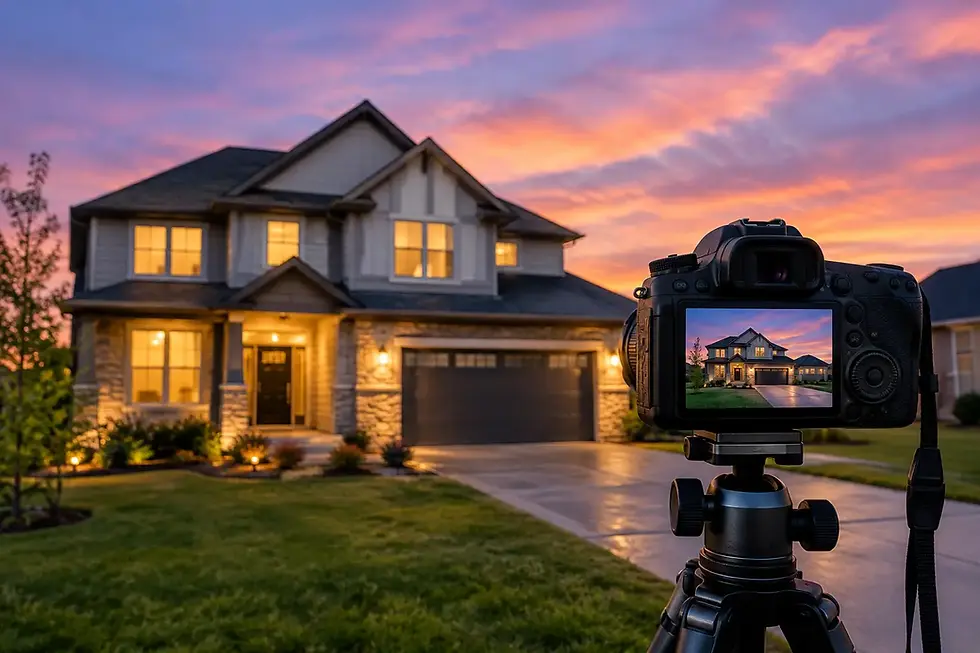
Twilight sits in a narrow window when the sky still carries color and the property lights are working in your favor. Exterior lighting glows, interior windows feel inviting, and landscaping often looks more dimensional than it does in harsh afternoon sun. The result is not just prettier imagery. It is a more intentional presentation.
That matters because most property decisions now start on a screen. If the exterior image feels flat, the listing can lose momentum before a buyer ever reads the details. If the hero image feels elevated, viewers are more likely to click, stay longer, and move toward a showing or inquiry.
There is also a psychological effect at work. Twilight imagery often makes a property feel calm, warm, private, and refined. For luxury homes, custom builds, high-end rentals, restaurants, and hospitality spaces, that mood can align closely with the experience being sold.
7 twilight real estate photography benefits that directly support marketing
1. Stronger curb appeal in the thumbnail stage
The first battle is getting attention. Twilight photography helps a property stand out against a feed full of bright daytime exteriors that tend to blend together. Rich sky color, balanced interior light, and illuminated landscape features create a more distinctive cover image.
This is especially useful when a home has a clean facade but not a dramatic daytime presence. A well-lit entry, pool, patio, or modern window line can become much more compelling at dusk. For online listings, that difference can be enough to earn the click.
2. Higher perceived value without changing the property
Presentation shapes price perception. A professionally captured twilight exterior often makes a property look more finished, more curated, and more premium. Buyers may not say, "This image has excellent dynamic range," but they absolutely respond to the sense that the property feels elevated.
That is one of the most practical twilight real estate photography benefits. It improves how the market reads the asset without altering the asset itself. For luxury listings and short-term rentals, that can support stronger positioning from the start.
3. Better visibility for outdoor lighting and exterior features
Many properties include features that barely register in full sun. Path lighting, pool lights, fire features, patio pendants, under-eave lighting, and illuminated signage often disappear during the day. Twilight is when those investments finally show up.
This is a major advantage for custom homes, resort-style backyards, restaurants, retail, and commercial architecture. If owners have spent money creating an evening experience, the photography should reflect it. Otherwise, part of the property's value story is missing.
4. More emotional pull for buyers and guests
Daytime photography is essential because it shows clarity, layout, and condition. Twilight photography adds something different - emotion. It can make a home feel welcoming after work, a rental feel vacation-ready, or a commercial property feel active and established.
That emotional pull matters because property decisions are rarely purely rational. People picture themselves arriving, hosting, relaxing, or investing. Twilight images help bridge the gap between a space's physical features and the lifestyle attached to them.
5. A more premium look for luxury and design-forward properties
Some properties simply perform better at dusk. Homes with strong architecture, expansive glass, layered landscaping, negative-edge pools, or distinctive exterior materials often gain drama and definition once the sun drops. The same is true for modern commercial buildings and hospitality spaces designed with evening ambiance in mind.
In those cases, twilight is not an extra. It is one of the best ways to show what makes the property different. For builders, architects, and developers, it can also help present the design intent more accurately than flat midday light.
6. More flexibility in marketing across platforms
A strong twilight image does more than support the MLS gallery. It gives marketing teams a high-impact visual for social media, digital ads, brochures, email campaigns, presentation decks, and listing presentations. One well-executed exterior can carry a lot of weight across channels.
This is particularly valuable for agents competing for seller confidence. A polished twilight image signals a higher level of marketing effort. For Airbnb and VRBO hosts, it can help a property feel more boutique and memorable in crowded search results.
7. A competitive edge when the listing needs extra momentum
Not every property needs twilight. But some absolutely benefit from it. If the home has been sitting, if the exterior looks ordinary in daylight, or if the property needs a premium repositioning, twilight can be a smart way to improve presentation fast.
It is not a substitute for pricing, staging, or property condition. Still, it can change the way the listing enters the market or re-enters buyer consideration. When attention is scarce, stronger imagery is one of the few controllable advantages.
When twilight real estate photography benefits a property most
Twilight works best when the property has features worth emphasizing in evening light. Pools, landscape lighting, large windows, outdoor living areas, city views, mountain backdrops, and strong architectural lines all tend to photograph well at dusk. Luxury homes and premium rentals are obvious candidates, but they are not the only ones.
In the Phoenix market, twilight can be especially effective because outdoor living is such a core part of the value proposition. Patios, courtyards, fire pits, and illuminated desert landscaping often carry more visual impact in the evening than they do under hard daytime sun. When buyers or guests are shopping for a lifestyle, that matters.
Commercial properties also benefit when they need to communicate atmosphere, professionalism, or activity. Restaurants, retail centers, office buildings, and hospitality spaces often look more established and more inviting when signage and architectural lighting are visible.
When twilight may not be the right choice
There are trade-offs. Twilight sessions require tighter timing, favorable weather conditions, and a property that is fully ready before the light window arrives. If the home has inconsistent bulbs, poor exterior lighting, unfinished landscaping, or visible outdoor clutter, twilight can expose those issues rather than hide them.
It is also not always the best lead image for every listing. Some entry-level homes or highly practical buyer audiences may respond better to bright, clear daytime photography first, with twilight used as a supporting image rather than the cover shot. The right approach depends on price point, property style, and how the listing needs to compete.
That is why strategy matters more than simply adding an extra service. Good twilight photography is not about taking the same exterior later in the day. It is about deciding whether dusk strengthens the property's market position.
What makes a twilight shoot actually work
Execution matters as much as timing. The property needs to be fully staged outside and inside before the light window begins. Every visible bulb should match in color temperature as closely as possible. Pool lights, landscape lights, patio lights, and interior lights should be checked in advance. Even small inconsistencies can weaken an otherwise premium final image.
Composition matters too. The best twilight images balance sky color, interior glow, and exterior detail without making the property look artificially bright or overly edited. For premium marketing, realism is part of credibility. The goal is not to make the property look like a fantasy. The goal is to make it look exceptional and accurate.
This is where an experienced real estate photographer can make a measurable difference. Fast turnaround helps, but so does knowing which elevations work best at dusk, how to time the light, and how to build a shot list that supports the listing's sales goals. That performance mindset is what separates attractive images from images that help a property move.
Twilight photography as a business decision
The strongest argument for twilight is simple: it can improve the way the market responds to a property. For agents, that can mean stronger launch materials and better seller confidence. For rental owners, it can mean a more memorable presentation that supports clicks and bookings. For architects, builders, and commercial teams, it can mean imagery that better represents the value of the built environment.
At Pickard Photography, that is the standard the work is built around - not just creating beautiful images, but producing visuals that help properties perform better.
If a property has lighting, architecture, or outdoor living features worth showing off after sunset, twilight is often one of the smartest upgrades you can make to the marketing package. The right image does more than look impressive. It gives the property a better chance to be chosen.


Comments