
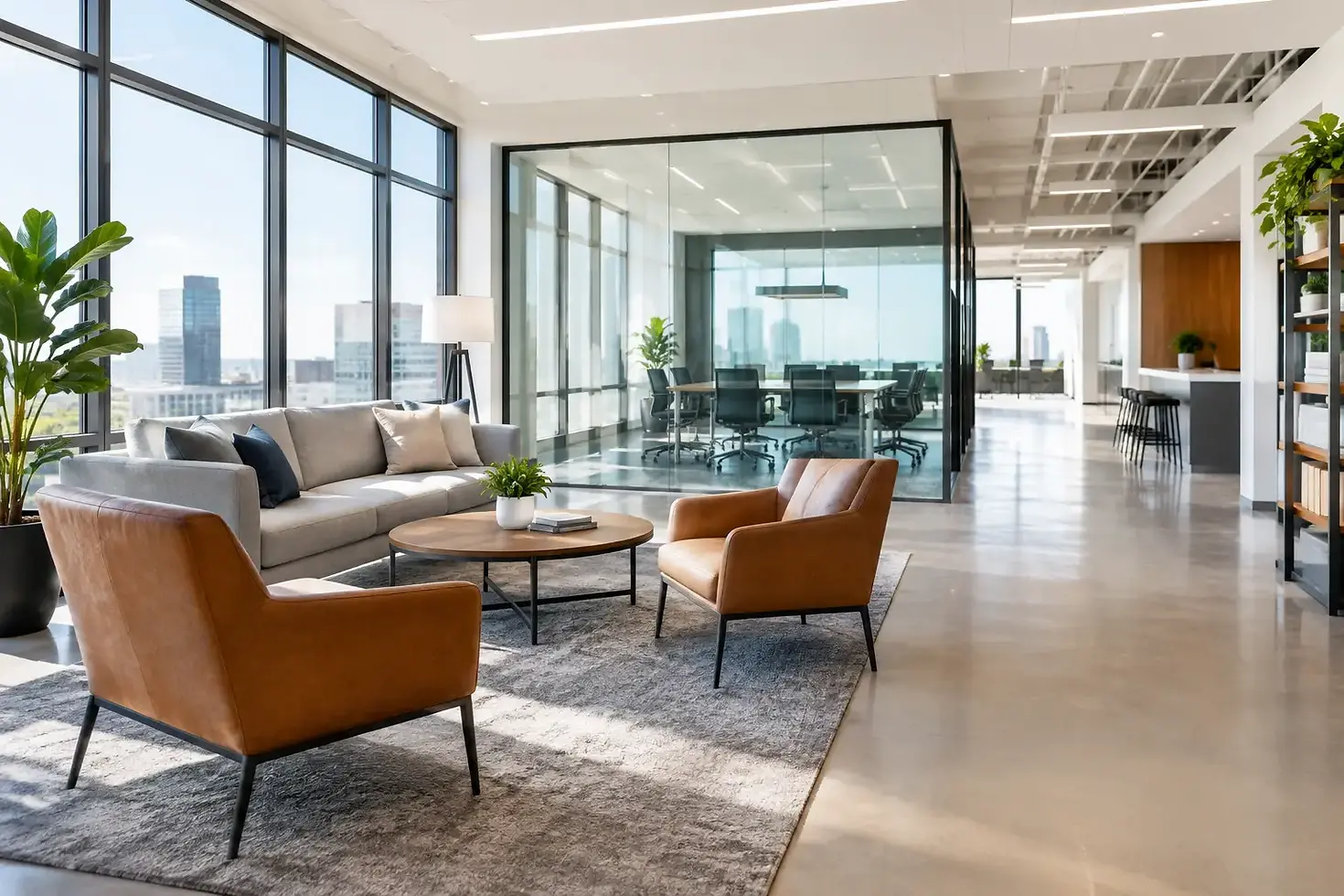
Commercial Interiors Photography That Performs

A commercial space can be beautifully designed, impeccably finished, and ready for its next tenant, guest, customer, or investor - then lose the first round of attention with images that feel dark, distorted, or generic. Commercial interiors photography is not simply a record of what a space looks like. It is the visual proof that the space can support the experience, brand, and business outcome a prospect is looking for.
For architects, designers, builders, developers, property managers, and hospitality operators, that distinction matters. The images may be used to win a lease, secure approvals, earn a design award, fill a restaurant, market a flexible workspace, or build a stronger project portfolio. Each use calls for polished visual media with a clear job to do.
What Commercial Interiors Photography Needs to Accomplish
A successful interior image gives a viewer immediate orientation. They should understand the scale of the room, how people move through it, where the visual focal point belongs, and what makes the environment different from competing spaces. That is harder than it sounds, especially in rooms with mixed lighting, reflective surfaces, tight footprints, or expansive windows.
The goal is not to make every room look artificially oversized. It is to make the space feel its best while remaining credible. A prospective tenant who tours a property should recognize the setting they saw online. A hospitality guest should see an accurate, inviting representation of the atmosphere they are booking. A designer should be able to point to the details that make the project worth publishing.
That balance between impact and accuracy is where professional work earns its value. Straight vertical lines, intentional composition, controlled window exposure, and natural-looking color are not cosmetic details. They shape whether a viewer reads the property as premium, functional, and well maintained.
Start With the Marketing Objective
The strongest shoot begins before the camera comes out. A lobby photographed for a multifamily leasing campaign needs to communicate a different message than the same lobby photographed for an architecture firm’s portfolio. One may prioritize warmth, resident lifestyle, and amenities. The other may focus on material transitions, lighting design, circulation, and the relationship between the interior and exterior.
Before scheduling commercial interiors photography, identify the primary audience and the action you want them to take. Are you trying to attract tenants? Generate bookings? Document a completed build? Support a sales presentation? Create assets for a website, proposal, social campaign, or press submission?
This direction affects the shot list. A leasing campaign may need broad hero images, amenity coverage, exterior context, and close details that reinforce quality. A restaurant may benefit from a mix of inviting dining-room views, bar imagery, private-event spaces, and details that communicate its personality. A corporate office project may need to show brand integration, workspace variety, and how the design supports collaboration.
When every image is created without a defined use, the final gallery can look attractive but still leave gaps in the marketing plan.
Think in Image Roles, Not Just Rooms
A complete commercial gallery usually needs more than one wide shot per area. It needs a lead image that stops the scroll, supporting angles that explain the layout, and detail images that reward closer attention. These images work together.
A wide view may establish the scale of a hotel lobby. A second angle can reveal the reception area and circulation. A close frame of textured stone, custom millwork, or a thoughtfully styled seating vignette can communicate the level of finish. None replaces the others.
This is especially useful for projects with visual depth. A single image rarely communicates the full value of a well-designed environment. Thoughtful coverage gives marketing teams options without creating a gallery full of near-duplicates.
Light Is the Difference Between Flat and Premium
Interior lighting is one of the biggest reasons commercial spaces are challenging to photograph. Daylight enters through windows at one color temperature. Decorative fixtures may cast a warm glow. Overhead LEDs can introduce another color. Mirrors, polished concrete, glass, and metal multiply reflections throughout the room.
A professional approach manages those variables rather than allowing the camera to make the decisions. The result should preserve the mood of the space while keeping finishes clean and colors believable. White walls should not turn blue, orange, or green. Windows should contribute context instead of becoming featureless white rectangles. Accent lighting should look intentional rather than overpowering.
Timing matters as well. A daylight session often works best for offices, retail spaces, medical facilities, and bright amenity areas where clarity is the priority. Twilight can be valuable when exterior glazing, signage, patio lighting, or city views are part of the story. It depends on the property and where the images will appear.
For a Phoenix commercial property, bright sun can create dramatic contrast through glass and open entries. That can be an advantage when managed carefully, but it also makes preparation and timing essential. The right photography plan accounts for sun direction, window exposure, and the specific areas that need to look their best.
Preparation Protects the Investment
The camera sees what busy teams often learn to ignore: cords, dust, uneven chairs, mismatched signage, empty dispensers, ceiling tiles, fingerprints on glass, and temporary storage tucked into a corner. These details can weaken an otherwise polished space.
Preparation does not mean stripping every environment of personality. In fact, a space that is too empty can feel cold and hard to understand. It means making intentional choices about what remains in frame. Branded materials, curated accessories, fresh greenery, place settings, and working displays can add life when they support the story.
Before the shoot, walk the property from the perspective of someone seeing it for the first time. Clear clutter from major sightlines, replace burned-out bulbs, straighten furniture, clean glass, and confirm that all planned spaces are accessible. If people will appear in the images, coordinate wardrobe, timing, and their role in the scene. A few well-placed people can show scale and energy. Too many can make an image feel crowded or date quickly.
Composition Should Lead the Eye
Commercial interiors photography works best when composition feels effortless to the viewer. Strong lines guide the eye toward the room’s central feature. Furniture placement creates order. Doorways and openings reveal what comes next. The image gives the viewer enough information to imagine using the space.
That often means photographing from a position that reveals both depth and purpose. A conference room should feel connected to the broader office, not like a sealed box. A fitness center should show equipment, circulation, and atmosphere. A model unit should make the viewer understand the relationship between living, dining, and kitchen areas.
Wide-angle lenses are useful, but they must be used with discipline. Overly aggressive angles can make furniture look stretched, ceilings feel unusually tall, and rooms appear larger than they are. That may create a short-term visual punch, but it can also reduce trust. Premium imagery uses perspective to clarify the space, not to misrepresent it.
Edit for Consistency Across Every Channel
A commercial property rarely lives in one place. Images may appear on a website, listing platform, leasing brochure, presentation deck, social post, print ad, proposal, or media submission. Consistent editing helps the visual identity hold together across all of them.
Color, brightness, and vertical lines should feel cohesive from one image to the next. This is particularly important for multi-space properties such as apartment communities, hotels, medical campuses, retail centers, and office buildings. A gallery should feel like one complete property experience, not a collection of unrelated photos taken on different days.
Delivery speed matters, but it should not come at the expense of quality control. Fast, organized delivery allows teams to launch campaigns, update listings, and respond to leasing or sales opportunities while the project is current. The best workflow combines efficient turnaround with images that are ready to use, properly sized, and polished for professional marketing.
When Still Photography Needs More Support
Still images remain the foundation of most commercial marketing, but certain properties benefit from a broader media plan. Aerial imagery can establish location and site context. Video can convey movement through a large space or show the energy of an active venue. Virtual tours and floor plans can help remote prospects understand layout and flow before an in-person visit.
The right mix depends on the buying decision. A small retail suite may need a focused set of standout photos. A new mixed-use development may need photography, aerial coverage, video, and interactive assets working together. More media is not automatically better. Every deliverable should earn its place by answering a prospect’s question or moving them closer to a decision.
A well-photographed interior does more than make a finished project look good. It gives the people evaluating that space a reason to picture themselves inside it - signing the lease, booking the stay, choosing the venue, or trusting the team behind the work. That is the standard worth planning for before the first frame is captured.


Comments