
Hotel and Resort Photography Services That Perform

A guest may spend only a few seconds deciding whether a property feels worth their stay. That is the commercial reality hotel and resort photography services are built to address. Before guests compare amenities, read reviews, or check availability, they respond to the visual promise: a room that feels inviting, a pool area with energy, a lobby that signals quality, and views that make the destination feel real.
For independent hotels, resorts, vacation properties, and hospitality groups, photography is not a finishing touch. It is a core revenue asset. The right images help a property earn attention on booking platforms, support direct-booking campaigns, give sales teams stronger collateral, and create confidence before a guest ever arrives.
Why Hospitality Images Carry So Much Weight
Hospitality is a purchase made before the customer can experience the product. A guest cannot test the mattress, feel the light in the suite, or understand the scale of the courtyard from a listing description. Photography has to carry much of that burden.
Strong visuals do more than document a space. They help potential guests picture themselves using it. A wide guest room should communicate comfort and layout, not simply square footage. A restaurant image should suggest atmosphere without making the space look artificially staged. A resort pool should show both its design and the experience it supports - morning quiet, family time, sunset drinks, or a view worth traveling for.
That distinction matters because generic images tend to make distinct properties look interchangeable. When a hotel competes against dozens of nearby options with similar rates and amenities, visual presentation can determine which listing earns the click.
What Hotel and Resort Photography Services Should Deliver
The best hotel and resort photography services begin with business goals, not a camera setting. A downtown boutique hotel, a golf resort, and a desert vacation rental may all need premium imagery, but they need it for different reasons.
A boutique property may need to establish personality and justify a higher nightly rate. A large resort may need a broad library of images for meetings, events, dining, spa, recreation, and seasonal campaigns. A vacation rental manager may need images that improve listing performance across multiple booking platforms while accurately setting guest expectations.
A commercially useful photography package typically includes a considered mix of guest rooms, common areas, exterior architecture, amenities, food and beverage spaces, detail images, and lifestyle moments where appropriate. The mix should reflect how guests choose the property, not simply what is easiest to photograph.
Rooms Need Clarity, Not Just Style
Guest room photography should make a room feel spacious, clean, and desirable while remaining honest about its size and layout. Overly wide lenses and heavy editing may earn initial attention, but they can create disappointment at check-in. That gap between online promise and in-person reality can affect reviews and long-term reputation.
The goal is a polished, accurate image that shows the room's best features: natural light, bedding, seating, work areas, balcony access, or a meaningful view. Small details matter. Wrinkled linens, mismatched lamps, visible cords, cluttered counters, and poorly arranged furniture can make an otherwise excellent room appear neglected.
Amenities Need a Reason to Matter
A pool, fitness center, rooftop, spa, or restaurant is not automatically a selling point because it exists. The image must show why it improves the stay. Composition, lighting, styling, and timing all influence the result.
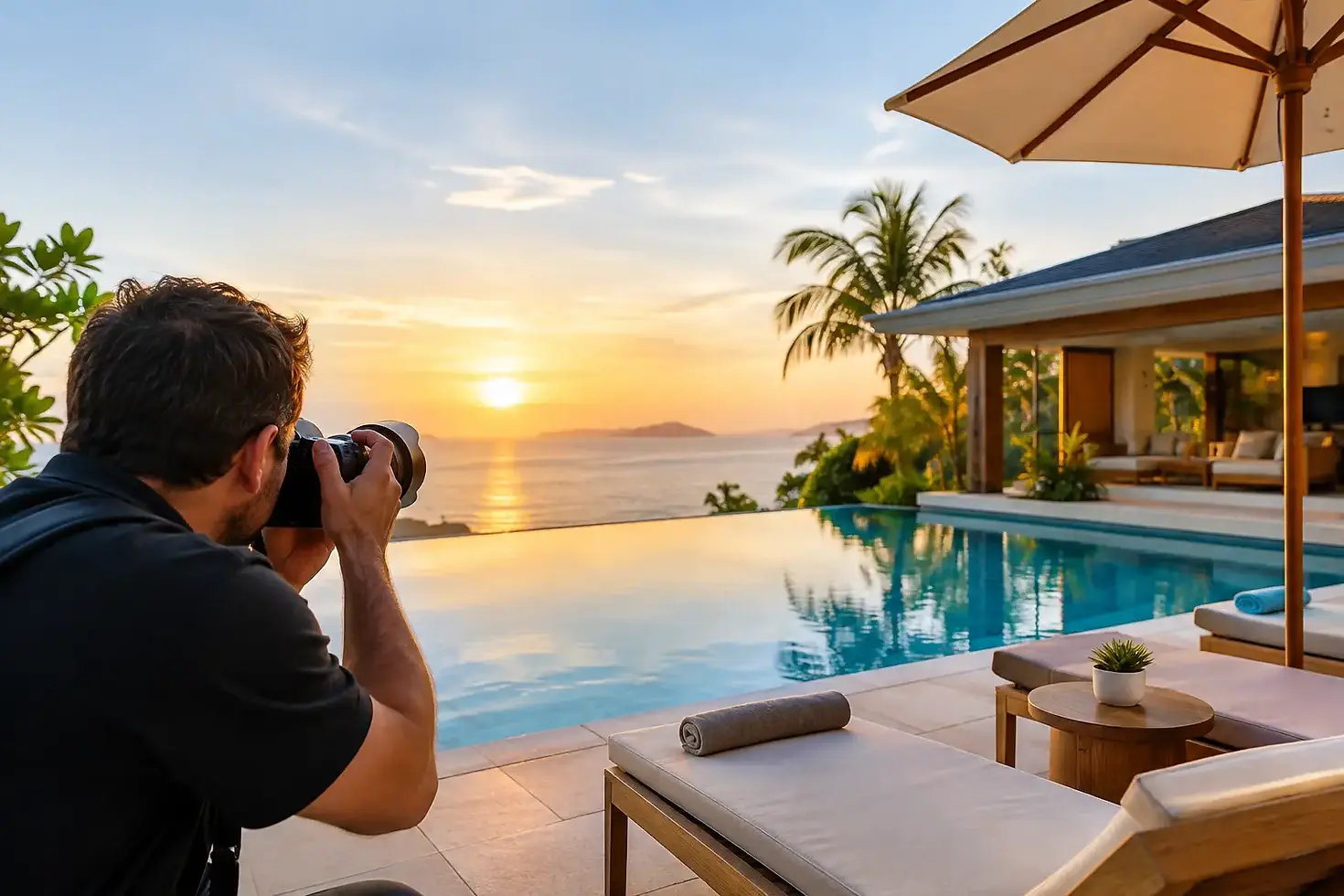
For example, an empty pool photographed under harsh midday sun may look flat and uninviting. That same setting may photograph far better in early morning, near sunset, or at twilight, when the water, architectural lighting, and sky create more depth. The right approach depends on the property and intended audience. Family-oriented properties may benefit from an active, approachable feel, while a luxury resort may need calm, space, and refinement.
A Full Visual Library Outperforms a One-Time Shoot
One common mistake is commissioning only a handful of hero images and expecting them to work everywhere. Hero photography is valuable, but hospitality marketing needs range. Booking pages, social media, email campaigns, meeting sales materials, paid ads, and press opportunities all have different image needs and crop formats.
A complete visual library gives a property more options without forcing the marketing team to reuse the same five photos until they lose impact. It should include horizontal and vertical compositions, establishing views and close details, daytime coverage and selected twilight scenes. Aerial imagery can also be valuable when location, grounds, access to nearby attractions, or property scale helps sell the stay.
For resorts in the Greater Phoenix area, this can be especially useful. Desert landscapes, mountain backdrops, golf courses, outdoor dining, and dramatic sunsets are genuine differentiators when photographed with purpose. They should support the property story rather than become decorative filler.
Planning Is Where Better Results Begin
Premium photography depends on preparation as much as execution. A property should be photo-ready before the photographer arrives, with rooms fully staged, landscaping addressed, maintenance issues handled, and unnecessary signs or temporary items removed where possible.
This is not about making a property feel unreal. It is about protecting the guest experience the property intends to deliver. A broken umbrella, empty towel shelf, stained cushion, or half-stocked bar can distract from thousands of dollars of design investment.
Before the shoot, identify the images that have the most commercial value. Ask which spaces drive bookings, which amenities support higher rates, what recent upgrades need visibility, and whether there are separate audiences to reach. A resort that hosts weddings and corporate retreats, for instance, needs imagery that helps both leisure guests and event planners make a decision.
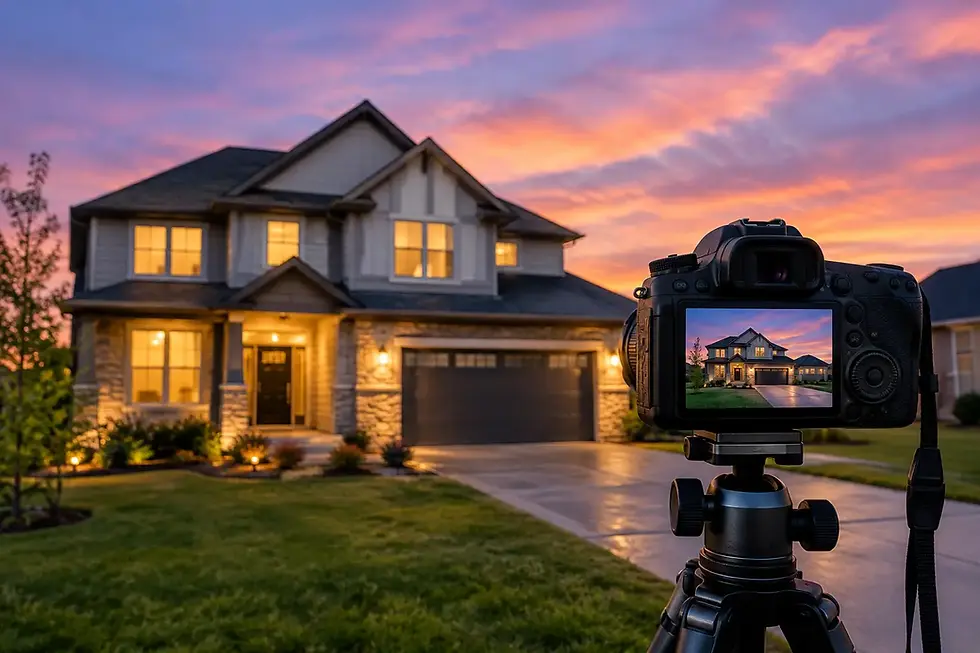
Timing should also be strategic. Certain spaces look best at a specific time of day, and some require controlled access. A lobby may need to be photographed before guest traffic begins. A restaurant may need a styled service setup. Twilight exteriors require careful scheduling because the best light window is brief.
Video, Aerials, and Tours Have Different Jobs
Still photography remains the foundation of most hospitality marketing because it is versatile, fast to load, and easy to use across channels. But some properties benefit from additional visual media when it serves a defined purpose.
Cinematic video can communicate flow, atmosphere, and scale in a way still images cannot. It is especially effective for destination resorts, event venues, and properties with strong outdoor experiences. Drone imagery can establish setting and proximity to golf, mountains, water, entertainment districts, or major access routes. Virtual tours can help meeting planners, group coordinators, and higher-consideration travelers understand layouts before requesting more information.
The trade-off is simple: more media is not automatically better media. A short, well-produced video with a clear use case can support campaigns for months. A long video with no story or distribution plan may add cost without improving results. The strongest approach is to build a media plan around where and how guests will encounter the property.
Consistency Protects Your Brand Standard
Many hospitality brands lose visual momentum over time because new photos are added without a consistent style, color treatment, or quality standard. A polished hero image beside a dim smartphone photo makes the entire property feel less considered.
Consistency does not mean every image must look identical. It means the visual language should feel intentional across rooms, amenities, food and beverage, architecture, and seasonal updates. That gives prospective guests a clearer sense of the brand and gives marketing teams assets they can use with confidence.
At Pickard Photography, the focus is on producing high-impact visual media that works as hard as the property does. That means planning for the guest decision, delivering polished assets efficiently, and creating images that support visibility, bookings, and perceived value.
The next time a property refreshes a room category, upgrades an amenity, or prepares for a high-demand season, treat the photography brief as a revenue conversation. The question is not simply, “What should we photograph?” It is, “What do guests need to see to choose us?”


Comments