
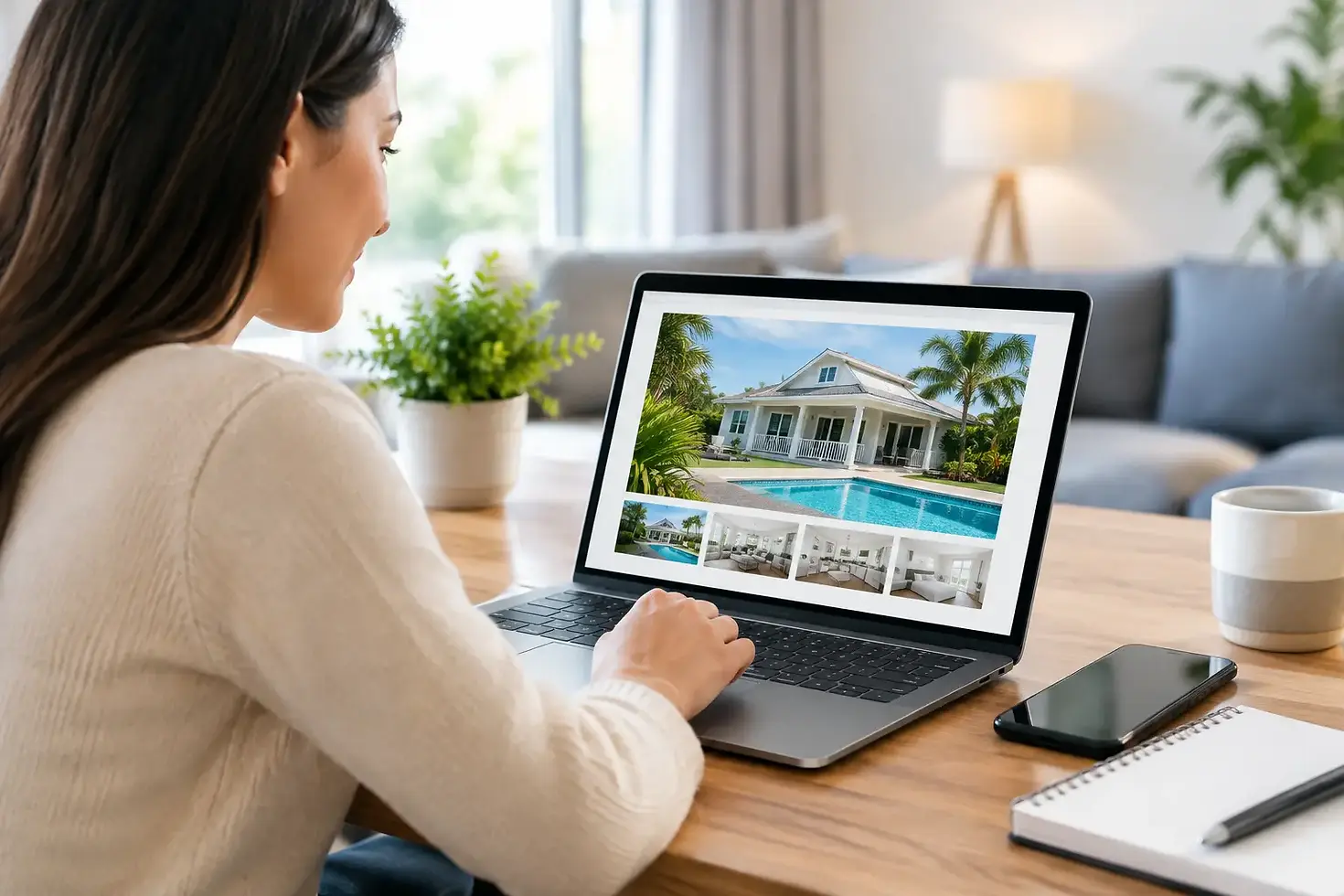
Rental Marketing That Turns Views Into Bookings

A guest scrolling vacation rentals or a tenant comparing apartments is making a fast decision long before they read every detail. Rental marketing has one job at that moment: make the right person stop, picture themselves in the space, and take the next step. Strong pricing and a desirable location matter, but neither can overcome listing media that feels dim, dated, empty, or inconsistent.
For Phoenix-area owners, managers, and real estate professionals, the competition is rarely just the rental next door. It is every polished listing a prospect sees in the same search session. The rentals that earn attention pair a clear market position with visual assets that make the value obvious at a glance.
Start With the Rental's Real Advantage
Effective marketing is not about calling every property "luxury" or filling a description with generic amenities. It begins by identifying the reason a specific renter should choose this property over another option at a similar price.
For a short-term rental, that advantage may be a heated pool, mountain views, a walkable entertainment district, a thoughtfully designed interior, or enough bedroom flexibility for a family or group. For a long-term rental, it might be natural light, a renovated kitchen, a dedicated office, pet-friendly outdoor space, or a commute-friendly location. Commercial rentals may need to sell ceiling height, storefront visibility, parking, finish quality, or the way a space supports a tenant's brand.
This distinction should guide the entire presentation. If the pool is the booking driver, it needs more than a quick snapshot taken in harsh midday light. If a home office helps justify the rate, show it as a functional workspace rather than an empty spare room. A rental earns better inquiries when the media answers the prospect's unspoken question: what will it feel like to stay, live, or work here?
Premium Visuals Are the Foundation of Rental Marketing
Rental platforms are visual marketplaces. Before a prospect considers square footage, house rules, or lease terms, they evaluate the photographs. That makes professional photography a revenue asset, not a cosmetic extra.
High-quality daytime imagery establishes the basics: bright interiors, accurate color, thoughtful composition, and a clear sense of flow from room to room. It helps prospects understand the property without feeling misled when they arrive. Wide, well-composed images can make a space feel open without distorting its proportions, while detail shots add personality when they support the story of the rental.
Twilight photography can be especially valuable for properties with strong exterior features. Pool lighting, fire features, landscaped patios, skyline views, and architectural lighting often look more inviting in the blue-hour window than in a standard daytime frame. It is not necessary for every rental, but it can create a high-impact lead image when outdoor lifestyle is part of the property's appeal.
Aerial imagery also depends on the property. It can be highly persuasive for homes near golf courses, trail systems, water features, downtown districts, or resort-style communities. For a unit where the setting adds little to the decision, drone photos may not deliver the same return. The goal is not to order every possible asset. The goal is to invest in the media that makes the rental easier to choose.
Show Space, Not Just Rooms
Photos tell prospects what is in a property. Video, virtual tours, and floor plans help them understand how it works.
A cinematic video can create an emotional first impression for a premium vacation rental, a distinctive furnished home, or a commercial space where the overall experience matters. A virtual tour gives remote renters more confidence before scheduling a showing or booking a stay. Floor plans reduce uncertainty around bedroom placement, circulation, and usable living area, especially for families, groups, and relocation renters.
These assets can also improve lead quality. People who understand the layout before reaching out are less likely to ask basic questions that the listing could have answered. That saves time for owners and managers while helping serious prospects move forward faster.
Prepare the Property Before the Camera Arrives
Professional photography is most effective when the property is ready to perform. A skilled photographer can manage light and composition, but cannot make clutter, unfinished repairs, or sparse staging disappear without compromising realism.
Before a shoot, remove personal items, excess furniture, visible cords, cleaning supplies, and temporary signage. Replace burned-out bulbs, straighten window coverings, and make sure every room has a clear purpose. In a vacation rental, set the dining table simply, arrange outdoor seating, and present bedrooms as restful rather than storage-heavy. In a long-term rental, aim for clean, neutral, and spacious.
Vacant properties need particular attention. Empty rooms can look smaller and harder to interpret online. Realistic virtual staging can help prospects see a living room as a living room, not a blank rectangle. It works best when used selectively and honestly, with furnishings that fit the room's scale and the expected renter profile. Overstaging or adding elements that do not match the property creates distrust. The standard should be simple: enhance the presentation without changing the truth of the space.
Build a Listing That Matches the Images
Once the visuals earn the click, the listing must keep the promise. Lead with the strongest, most specific benefit, then provide the practical details a renter needs to make a decision.
A short-term rental description should quickly establish the experience and explain who the home suits best. Instead of saying a property is "perfect for everyone," describe the actual use case: a quiet base for a golf weekend, a well-equipped home for a family visit, or a design-forward retreat near restaurants and events. Follow that with details that reduce friction, such as sleeping arrangements, parking, pool access, pet rules, workspace availability, and any seasonal considerations.
For long-term rentals, clarity matters just as much. Include lease expectations, move-in timing, included appliances, utility responsibilities, parking, outdoor space, and relevant community rules. Prospects should not need to send three messages to learn whether the home meets their non-negotiables.
Keep the photo order intentional. The first image should sell the strongest differentiator, not simply the front exterior by default. Then take viewers through the home in a logical sequence: key living spaces, kitchen, primary bedroom, additional rooms, bathrooms, outdoor areas, and neighborhood or amenity imagery where it adds value. A random gallery makes even excellent photography feel less considered.
Speed and Consistency Protect Revenue
A rental can lose momentum quickly when the listing goes live with phone photos, then waits days for the finished marketing package. Fast turnaround allows owners and managers to launch with polished materials from the start, whether they are filling a vacancy, refreshing an underperforming listing, or preparing for a high-demand booking period.
Consistency matters across a portfolio, too. When every property has a different visual standard, prospective guests and tenants may question the quality of the operation behind the listing. Consistent photography, accurate editing, and reliable delivery create a more professional brand impression across rental platforms, direct booking sites, social media, brochures, and leasing presentations.
The same principle applies after the property is occupied. Update photos after a renovation, new furnishings, landscaping improvements, or amenity additions. A listing should reflect the property a renter will actually experience, not the version of it from three years ago.
Measure What the Market Is Telling You
Rental marketing should be evaluated by performance, not compliments alone. Watch listing views, saves, inquiries, showing requests, booking conversion, average daily rate, vacancy periods, and the questions prospects ask repeatedly. If a listing receives views but few inquiries, the positioning, price, photo order, or description may be creating hesitation. If inquiries are high but conversions are weak, the listing may be attracting the wrong audience or leaving essential details unclear.
Do not assume lower price is the only answer to a slow rental. Better media can improve perceived value, particularly when the space has features that are not being communicated well. At the same time, photography cannot solve a rate that is out of step with the market or a property with unresolved maintenance issues. The strongest results come from aligning presentation, condition, pricing, and response time.
Pickard Photography approaches property media with that commercial reality in mind: each image should help a rental compete, communicate value, and give the right prospect confidence to act.
The next time a rental needs attention, look at the first five images as a prospective guest or tenant would. If they do not immediately show why the space is worth choosing, that is the opportunity. A better first impression can change the entire conversation that follows.


Comments