

Video Walkthrough vs Photo Gallery: Which Wins?

A buyer pauses on a listing for seconds before deciding whether it deserves a closer look. A guest scrolls past an Airbnb that feels generic. A developer needs to make an unfinished space feel tangible to investors or prospective tenants. In the video walkthrough vs photo gallery decision, the strongest choice is rarely about which format looks more impressive. It is about what the property needs to communicate and what action you need the viewer to take.
Professional photos and cinematic video serve different jobs in a marketing strategy. One is not a replacement for the other. Used with intention, they can help a listing earn more attention, create stronger confidence, and move the right prospect from browsing to booking a showing, reserving a stay, or requesting a proposal.
Video Walkthrough vs Photo Gallery: The Core Difference
A photo gallery gives viewers control. They can study the kitchen finishes, compare bedroom sizes, zoom in on a resort-style backyard, and return to the images that matter most. Strong photography is fast to consume and easy to share, which makes it the foundation of most residential listings, rental platforms, brochures, and project portfolios.
A video walkthrough guides the viewer. Instead of asking them to assemble the layout in their mind, video establishes sequence, scale, transitions, and atmosphere. It can show how the entry opens into the main living area, how natural light moves through a room, or how an indoor-outdoor space functions as one connected experience.
That distinction matters because properties are not purchased, booked, or leased based on square footage alone. People are evaluating whether they can picture themselves living, staying, working, or investing there. Photos create the proof points. Video creates momentum and emotional context.
When a Photo Gallery Delivers the Better Return
For most listings, professional photography should come first. Buyers expect a complete image set before they schedule a showing, and online marketplaces are designed around still images. The cover photo often determines whether someone clicks at all.
A polished gallery is especially effective when the property has standout details that deserve inspection. Think custom tile, high-end appliances, architectural millwork, mountain views, a dramatic pool, or carefully designed staging. Individual images let each selling point have its moment instead of rushing past it in a moving sequence.
Photos also perform well when speed and flexibility matter. Agents can use them across the MLS, listing presentations, social posts, print materials, email campaigns, and property websites. Hosts can refresh a rental listing before a busy season. Builders and designers can document a completed project with images suited for both wide portfolio spreads and detail-focused case studies.
There is another practical advantage: still images allow prospects to self-qualify. A serious buyer can inspect a floor plan-adjacent image of the primary suite or assess storage in the laundry room without waiting for a video to reach that scene. For homes where layout or condition requires careful consideration, a thorough gallery can be more useful than a polished highlight reel.
Photography alone can fall short, however, when the property’s best feature is its flow. A gallery may show an open kitchen and a covered patio beautifully, yet leave the viewer unsure of how closely they connect. That is where video earns its place.
When a Video Walkthrough Changes the Conversation
Video is most valuable when movement tells the story better than isolated frames. A cinematic walkthrough can reveal the approach to a home, the scale of a great room, a view that unfolds as you enter, or the relationship between guest spaces and private areas.
For luxury and lifestyle-driven homes, video can add the pacing and polish that match the asking price. It gives an agent a stronger asset for social media, email outreach, and presentations to out-of-area buyers. A well-produced film does not simply show rooms. It frames the experience of arriving, entertaining, relaxing, and living in the home.
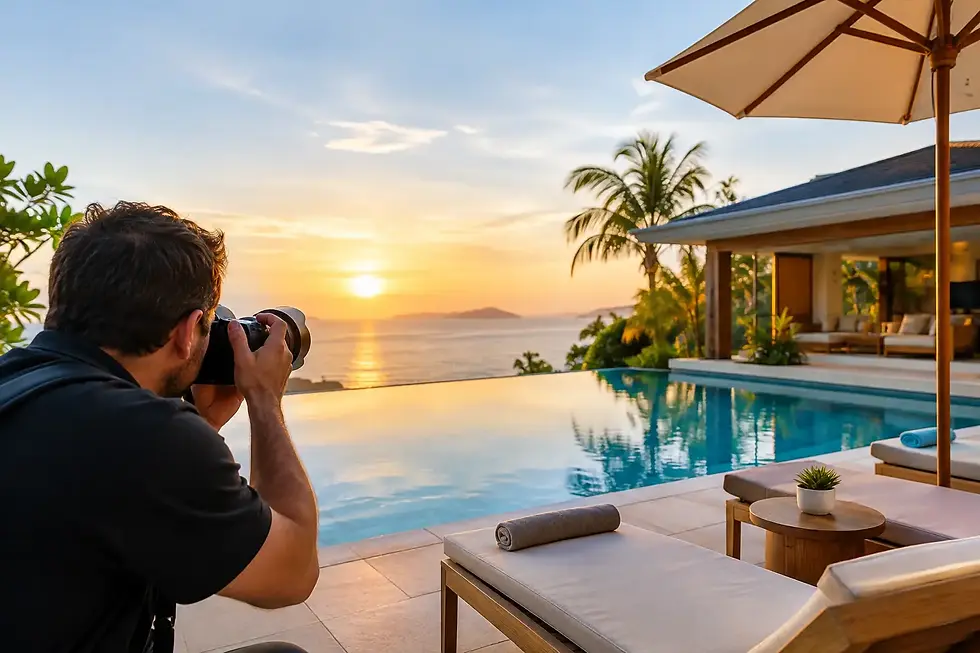
Short-term rentals benefit for a similar reason. Guests want confidence that the property feels as good in person as it does in the photos. Video can show the route from the living room to the pool, demonstrate the size of a balcony, or make clear how a family would use the bedrooms and common areas. That clarity can reduce uncertainty for travelers comparing several similar options.
Commercial, architectural, and design projects also benefit from motion. A video can communicate circulation through an office, hospitality venue, retail environment, or model space in a way that static images cannot. For firms that need to win stakeholder confidence, it helps transform a finished project from a collection of attractive surfaces into a place with purpose.
Video is not automatically the right answer for every property. A poorly paced walkthrough, shaky footage, or a generic sequence of rooms can weaken a premium presentation. It may also be unnecessary for a modest listing that needs excellent photography, accurate information, and a quick launch more than an added production layer.
The Best Property Marketing Usually Uses Both
The choice is not always video walkthrough versus photo gallery. In many cases, the most effective approach is a photo gallery supported by a focused video.
Photos should carry the full factual burden of the listing. They need to represent every important room, show the exterior and outdoor amenities, and create a consistent visual standard from the first image to the last. A buyer should understand the home even if they never press play.
Video should then do what photographs cannot do as efficiently: build a sense of arrival, showcase flow, and give the property a memorable identity. Rather than trying to document every closet and corner, it should emphasize the scenes that create desire and distinguish the property from competing inventory.
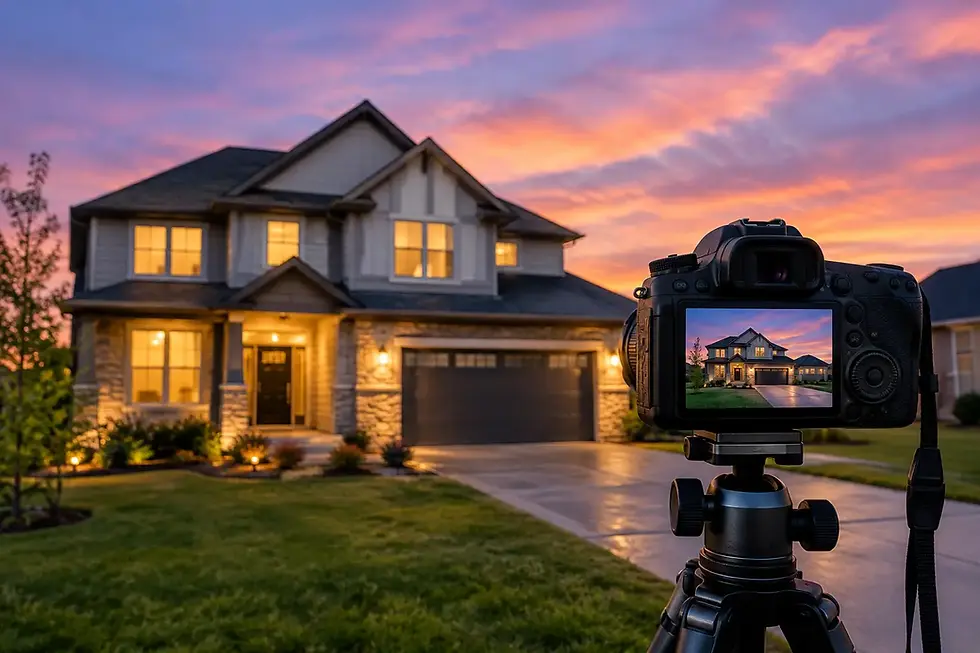
This combination is particularly effective in Greater Phoenix, where lifestyle often drives the decision. Aerial imagery, twilight photography, and video can work together to show a pool, outdoor kitchen, golf-course setting, desert views, or proximity to a walkable district. The goal is not to add media for its own sake. The goal is to make the property’s value easier to recognize.
How to Choose the Right Mix for Your Property
Start with the marketing objective. If you need a listing live quickly and want broad MLS coverage, invest in a complete professional photo gallery first. If the property has a major visual advantage that depends on scale, flow, or lifestyle, add video to give that advantage more impact.
Next, consider the audience. Local buyers may be comfortable touring quickly, while relocating buyers often need more context before committing to a showing. Vacation-rental guests may respond to a short, inviting video that makes the stay feel real. Commercial prospects and project stakeholders may need imagery that communicates both design intent and operational use.
Then consider the price point and competition. Higher-value properties usually require a more complete media package because buyers are comparing presentation as closely as they compare finishes. But price alone is not the deciding factor. A thoughtfully renovated home in a competitive neighborhood, a rental with exceptional outdoor space, or a builder’s flagship project can all benefit from video because the visual story is a genuine differentiator.
Finally, protect accuracy. Whether you use photos, video, virtual staging, drone imagery, or a virtual tour, the media should set the right expectations. Premium visuals should elevate the property without misrepresenting it. That balance builds trust, reduces surprises, and supports better conversations once a prospect reaches out.
Avoid Treating Video as a Substitute for Coverage
One common mistake is relying on a beautiful video while providing too few still photos. Video may capture attention on social media, but listing viewers still expect to browse a gallery at their own pace. If essential spaces are missing from the photos, prospects can assume there is a reason.
The opposite mistake is treating photos as a checklist. Twenty images of rooms without thoughtful composition, consistent lighting, or a clear sequence will not compete with a tighter, more intentional gallery. Professional visual media should make a property easier to understand and harder to forget.
For agents, hosts, and project teams, the right package is the one that gives the audience confidence before the first call or showing. Pickard Photography approaches each property with that commercial purpose in mind, pairing premium execution with assets built to perform across the channels that matter.
A strong gallery gets people to stop scrolling. A well-planned walkthrough gives them a reason to stay. When the property has a story worth experiencing, give prospective buyers, guests, or clients enough visual evidence to see themselves in it.

Comments